




What is Cushing’s Syndrome?
Cushing’s syndrome is an endocrine or hormonal disorder. It occurs when the adrenal glands release too much of the hormone cortisol into the body for long periods of time.
Cortisol is essential to many of the body’s cardiovascular and metabolic functions. But perhaps its most important job is to help the body respond to stress.
Normally the adrenal gland releases the exact amount necessary to meet our daily needs. However, sometimes the process goes wrong and an excess of cortisol is produced.
The malfunction may be caused by:
- A pituitary tumor, which causes the pituitary gland (at the base of the brain) to stimulate the adrenal glands to secrete high levels of cortisol.
- A tumor of the adrenal gland (located above the kidney).
- A benign or malignant tumor of the lung or some other organ.
- Prolonged use of cortisone drugs, such as Prednisone, commonly prescribed for asthma, rheumatoid arthritis or lupus.
What are the symptoms of Cushing’s Syndrome?
There is no single symptom shared by everyone with Cushing’s Syndrome, however, some symptoms occur more frequently than others.
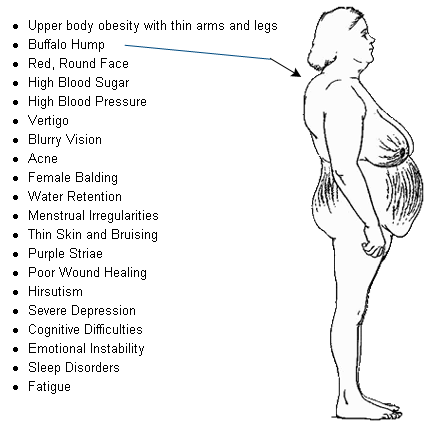
Cushing’s symptoms. Drawing is reproduced from: Mayo Clinic Family Health Book, 2nd Edition, 1996.
Who Gets It?
Cushing’s syndrome is relatively rare. An estimated 10-15 people per million are affected each year. It is most common in adults, between the ages of 20 and 50 years old, although it can occur at any age. it affects women five times more frequently than men.
What Should I Do If I Think I Have Cushing’s?
Make an appointment with your physician immediately. Tell them about all of your symptoms. Take pictures that show what you looked like prior to having symptoms of Cushing’s. Diagnosis is not as easy as one would expect.
The diagnosis of Cushing’s is based on a review of the patient’s medical history, a physical exam, and laboratory tests. This will help to determine if excess levels of cortisol (a steroid hormone) are present in the body.
Once Cushing’s syndrome has been diagnosed, it is important to find the cause of the cortisol overproduction. There are many tests used to diagnose Cushing’s.
There is a lot of research being done today on treatments. If left untreated, Cushing’s syndrome can be fatal.